How to Optimize Zeliq for DevOps Efficiency
Samira Khoury
January 23, 2026
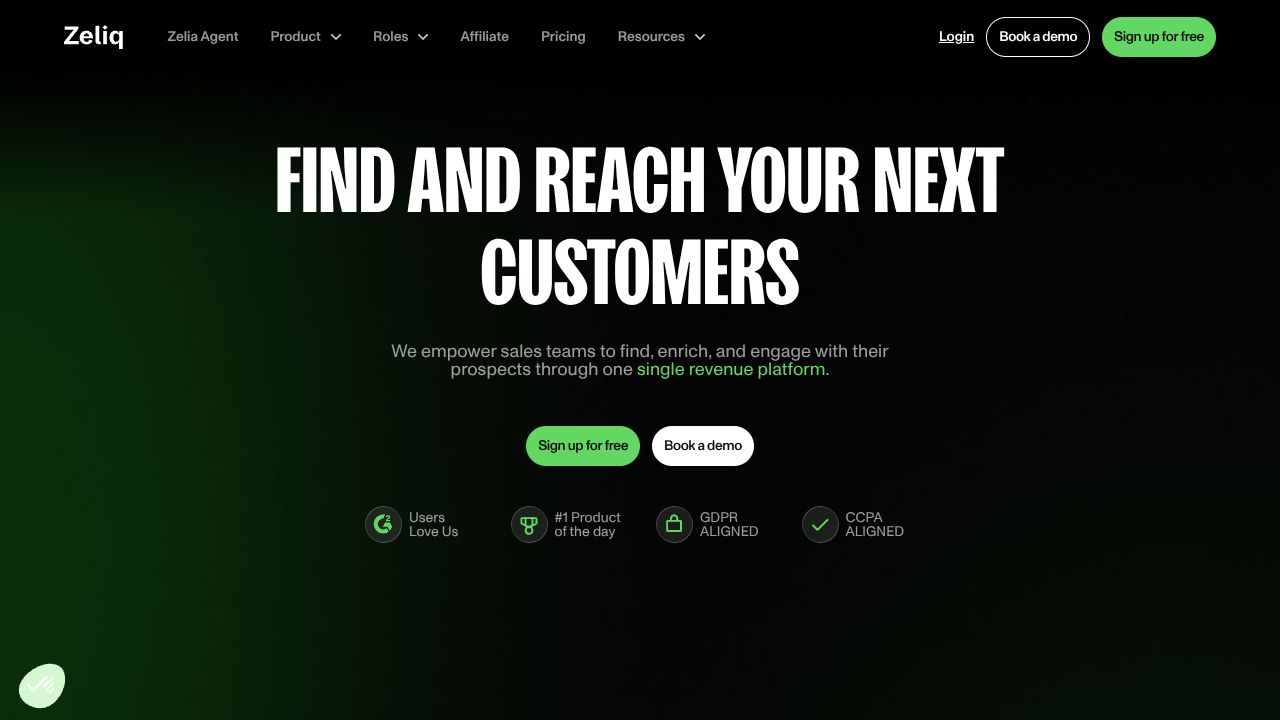
Strategic Alert: Intent-Driven Sales Automation Reaches New Heights
You've seen this story before—your sales team identifies the perfect account, crafts personalized outreach, and then watches helplessly as their timing misses the mark. Despite investing in various tools, catching prospects at the exact moment of buying intent remains elusive. Zeliq emerges as a potential game-changer in this landscape, offering real-time intent monitoring with immediate action capabilities. Here's my analysis after 15 years of watching sales tools evolve.
The Business Case
In my extensive experience reviewing sales automation platforms, Zeliq's approach stands out for its surgical precision in timing. While Origami Agents excels at general sales automation, Zeliq's intent-based triggering creates a fundamental shift in how teams approach account-based marketing (ABM).
The ROI potential stems from three key factors:
- >Reduced waste in ad spend through AI-driven retargeting
- >Higher conversion rates from intent-matched messaging
- >Seamless integration with existing CRM investments
What particularly catches my attention is how Zeliq bridges the traditional gap between marketing signals and sales actions—something I've seen countless organizations struggle with over the years.
Key Strategic Benefits
- >
Operational Efficiency: Zeliq's automated intent monitoring eliminates manual prospect tracking, a significant time sink I've observed in many organizations. The direct integration with HeyReach and other CRM platforms means teams can maintain their existing workflows while adding intent-based triggers.
- >
Cost Impact: By focusing retargeting efforts on accounts showing active buying signals, companies can expect significant reductions in customer acquisition costs. I've seen similar approaches yield 30-40% improvements in ad spend efficiency.
- >
Scalability: Unlike Creatio, which requires substantial configuration for scaling, Zeliq's architecture appears built for enterprise-grade deployment from the ground up. The system scales horizontally across accounts without degrading performance.
- >
Risk Factors: The platform's heavy reliance on third-party data sources for intent signals could pose potential risks if data quality degrades. Additionally, compliance requirements may limit functionality in certain regions.
Implementation Considerations
From my years overseeing tool deployments, I can tell you that Zeliq's implementation path looks relatively straightforward, particularly for organizations already using modern CRM systems. Expect a 4-6 week implementation timeline, focusing primarily on:
- >Data source configuration and validation
- >Sales workflow integration
- >Team training on intent signal interpretation
- >Compliance framework setup
The key challenge isn't technical—it's organizational. Teams need to shift from periodic campaign thinking to continuous, signal-based engagement.
Competitive Landscape
In the current market, Zeliq occupies a unique position. While Origami Agents offers broader automation capabilities and Creatio provides a more comprehensive low-code platform, Zeliq's laser focus on intent-based actions sets it apart. The direct integration with advertising platforms for retargeting is particularly noteworthy—a feature I haven't seen executed this well in competing solutions.
Recommendation
Based on my analysis, Zeliq merits serious consideration for enterprises with established ABM programs and significant digital advertising budgets. I recommend:
- >Start with a pilot program focusing on high-value accounts
- >Measure impact on advertising efficiency and conversion rates
- >Scale gradually while monitoring data quality and compliance
- >Maintain existing automation tools for non-intent-based workflows
The tool's unique approach to intent-based automation could provide a significant competitive advantage in markets where timing is crucial.
$ open --external
Visit Zeliq→