Can Manual Pentesting Solve the Security Gaps Left by AI Tools?
Samira Khoury
April 12, 2026
"The AI-Powered Security Gap: How Lorikeet Security's Manual Penetration Testing Closes the Loop"
Bridging the AI-Driven Security Divide
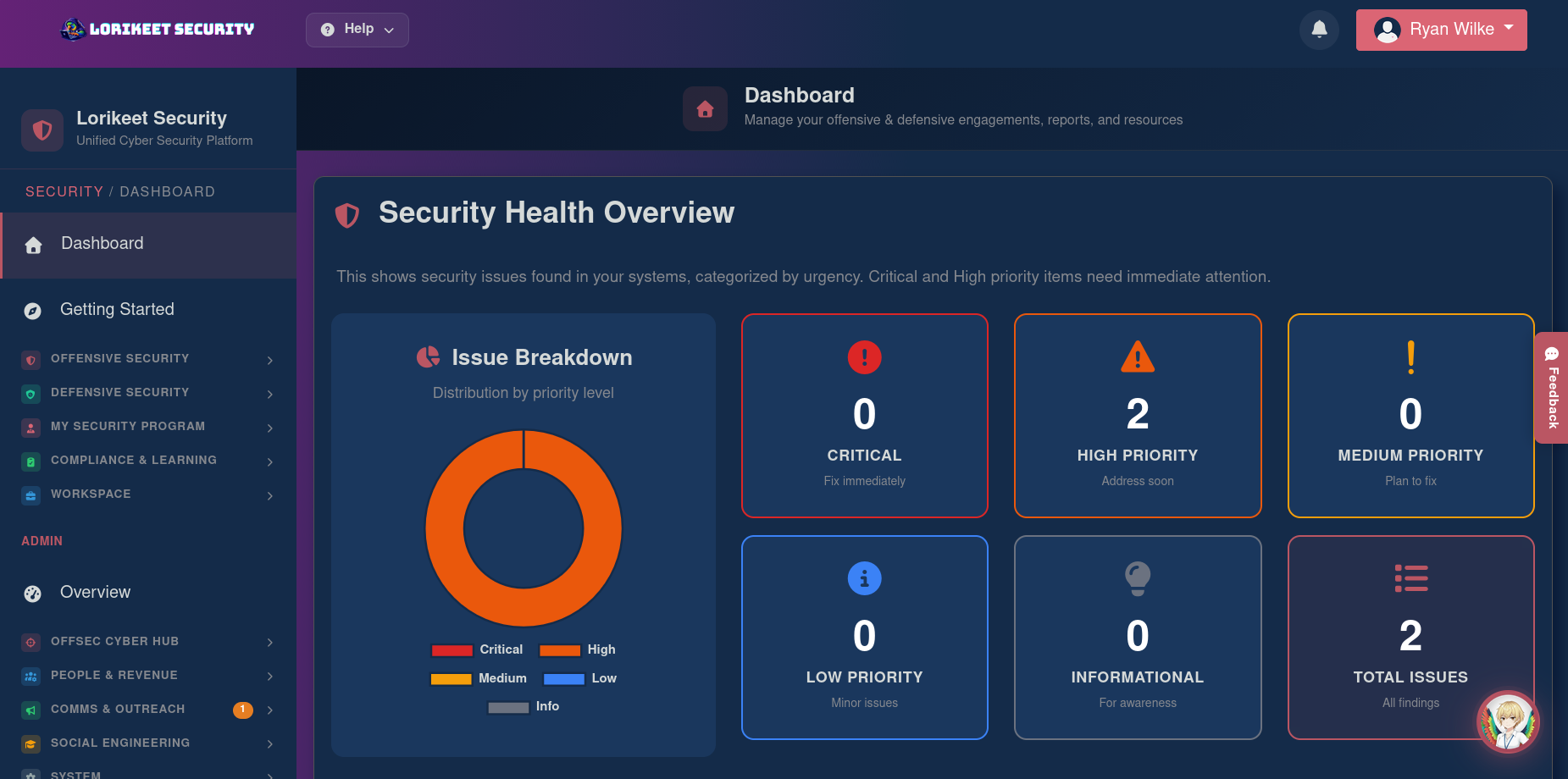
The increasing adoption of AI-assisted code review tools like Claude, Cursor, and Copilot has significantly reduced the number of source-level vulnerabilities in software development. However, this shift has also created a new challenge: the residual risk is now concentrated in runtime, infrastructure, and configuration areas, which are beyond the reach of AI-driven code review. This is where Lorikeet Security's manual penetration testing comes into play, filling the gap left by AI-powered security audits. With a focus on AI-native software development, Lorikeet Security's platform provides a modern PTaaS portal with live findings, real-time chat, and integrated reporting.
Architecture & Design Principles
Lorikeet Security's platform is built on a modular architecture, allowing for seamless integration with various technologies and services. The core technology stack includes a proprietary testing framework, which enables the company's team of experts to perform manual penetration testing, Attack Surface Management, and continuous security monitoring. The design philosophy is centered around providing actionable insights and recommendations, rather than just identifying vulnerabilities. This approach requires a deep understanding of the client's infrastructure, configuration, and runtime environment. To achieve scalability, Lorikeet Security leverages a combination of cloud-based infrastructure and on-premises testing tools.
Feature Breakdown
Core Capabilities
- >Manual Penetration Testing: Lorikeet Security's team of experts performs thorough, manual penetration testing to identify vulnerabilities in runtime, infrastructure, and configuration areas. This includes testing for session management edge cases, runtime TLS posture, file-system hygiene, and reverse-proxy header configuration.
- >Attack Surface Management: The platform provides continuous monitoring and analysis of the client's attack surface, identifying potential vulnerabilities and weaknesses.
- >Compliance-Aligned Testing: Lorikeet Security offers testing and validation services for various compliance frameworks, including SOC 2, HIPAA, PCI-DSS, HITRUST, and FedRAMP.
Integration Ecosystem
Lorikeet Security's platform integrates with a range of technologies and services, including cloud providers like AWS and Azure, containerization platforms like Docker, and CI/CD tools like Jenkins and GitLab. The platform also supports webhooks and APIs for seamless integration with clients' existing security tools and workflows.
Security & Compliance
Lorikeet Security prioritizes data handling and security, with a focus on protecting sensitive client information. The company holds various certifications, including SOC 2 and HIPAA, and is committed to maintaining enterprise-grade security and compliance standards.
Performance Considerations
Lorikeet Security's platform is designed to provide fast and reliable results, with a focus on minimizing false positives and false negatives. The company's team of experts works closely with clients to ensure that testing and analysis are tailored to their specific needs and requirements.
How It Compares Technically
Compared to other penetration testing and security firms, Lorikeet Security's focus on AI-native software development and manual penetration testing sets it apart. While competitors like Veracode and Synopsys focus on automated testing and code review, Lorikeet Security's approach fills the gap left by AI-powered security audits. The company's expertise in runtime, infrastructure, and configuration testing also makes it a strong contender in the market.
Developer Experience
Lorikeet Security provides comprehensive documentation and support for developers, including SDKs and APIs for integrating the platform with existing tools and workflows. The company's team of experts is also available for real-time chat and support, ensuring that developers can quickly and easily address any security concerns or questions.
Technical Verdict
Lorikeet Security's manual penetration testing and AI-native approach make it an excellent choice for companies looking to bridge the security gap left by AI-powered code review. While the platform's focus on runtime, infrastructure, and configuration testing may require additional resources and expertise, the benefits of identifying and addressing vulnerabilities in these areas far outweigh the costs. Ideal use cases include companies with complex infrastructure and runtime environments, those requiring compliance-aligned testing, and those looking to augment their existing security tools and workflows.
$ open --external
Visit Lorikeet Security Case Study→